
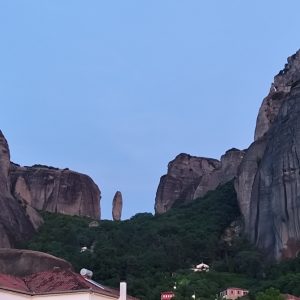
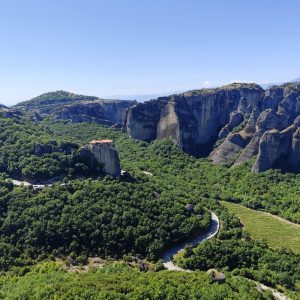
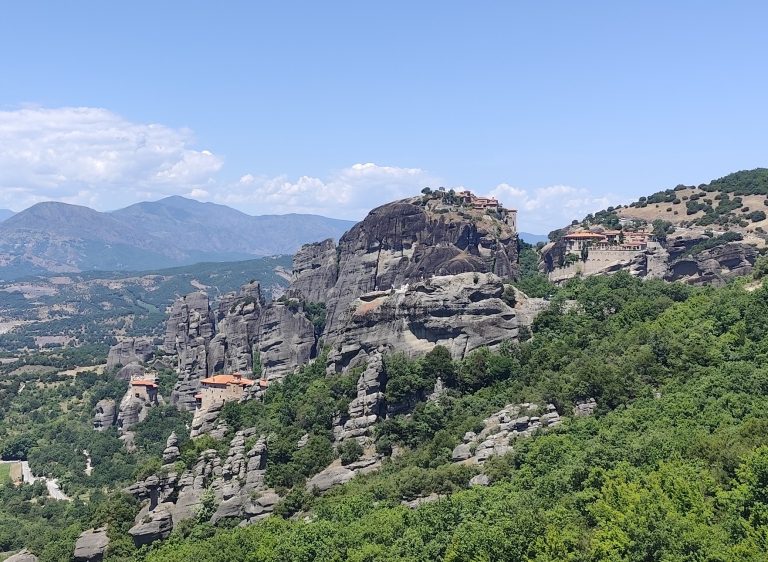
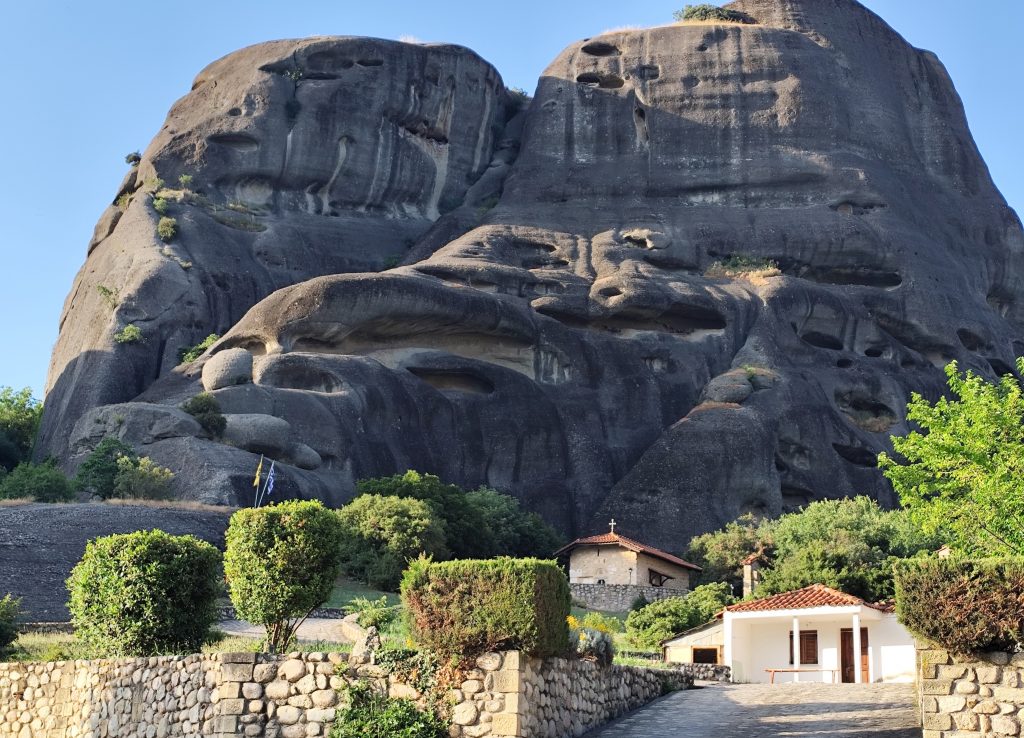
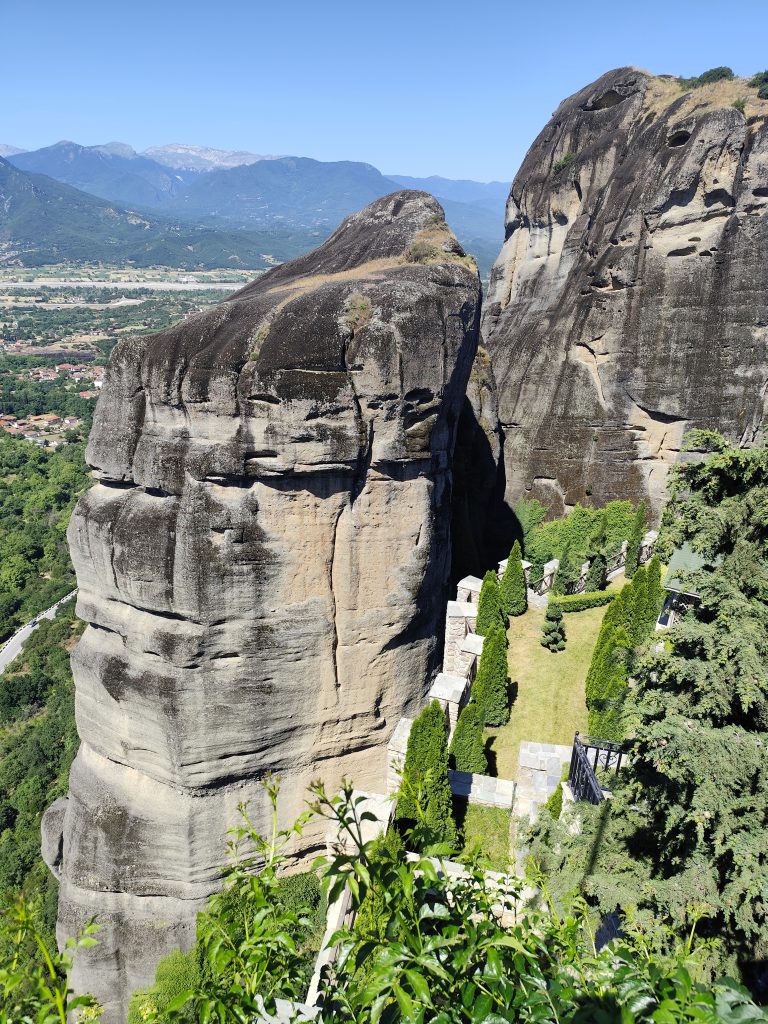
The most memorable and unique landscapes that I’ve ever encountered are the “floating monasteries” of Meteora. These massive sandstone formations rise out of the ground, from apparently nowhere, and atop some of them, sit six medieval monasteries.
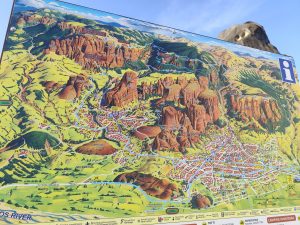
They were built between the 14th and 16th centuries as a way for the monks to “escape worldly distractions and find ultimate spiritual isolation”. They weren’t kidding! To access them, the monks had to construct man-powered pulleys to bring up the construction materials and continued to use this method for centuries to haul up supplies and monks!
Thankfully, nowadays roads have been carved out of the stone, making it easier for us, but unfortunately, also, for hordes of coaches and other sightseers to visit.

Leaving the coast, we made a quick pitstop on our way at the lively little town of Larissa, (dirty washing and my nails needed attending to!), as we started our climb up towards the Pindos Mountains. Our first sight of the huge pillars took my breath away, and I found that I couldn’t take my eyes off of them until we arrived out our home for the next few days, a friendly family taverna in the small village of Kastraki.
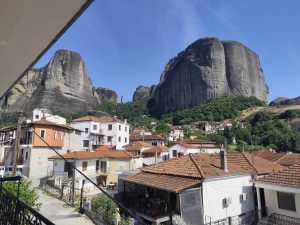
The views from our balcony were amazing, and after a light dinner and a short stroll to watch the sunset, we turned in for the night.
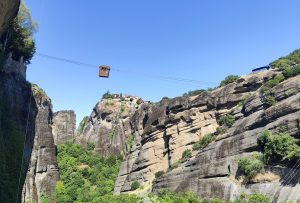
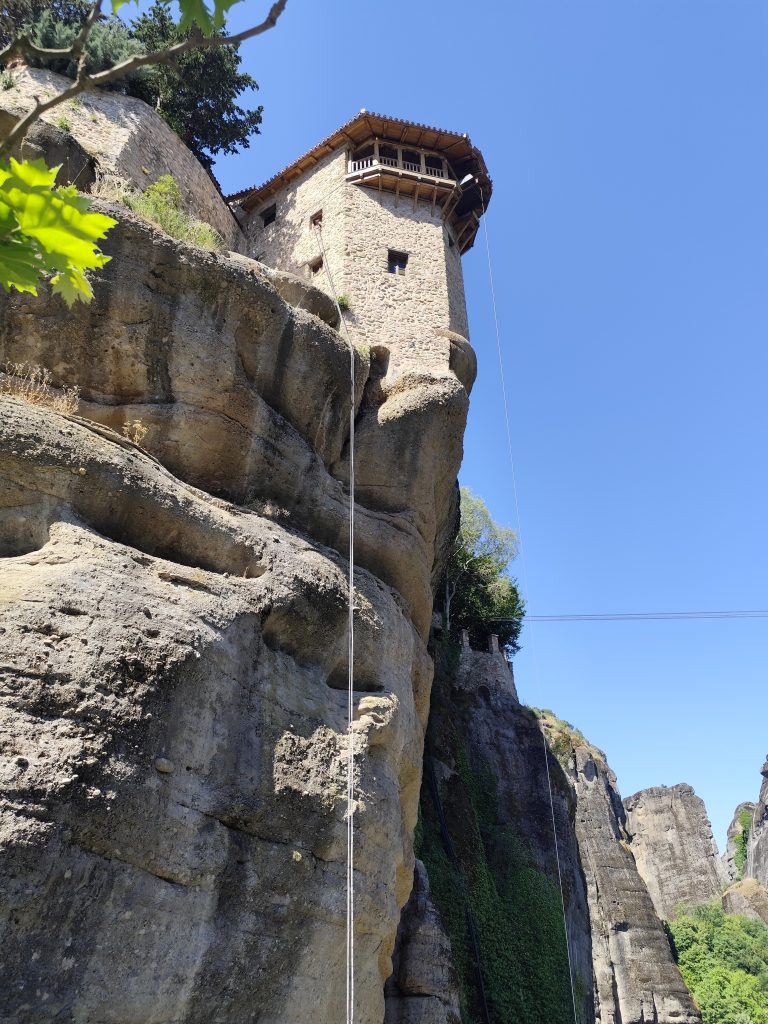
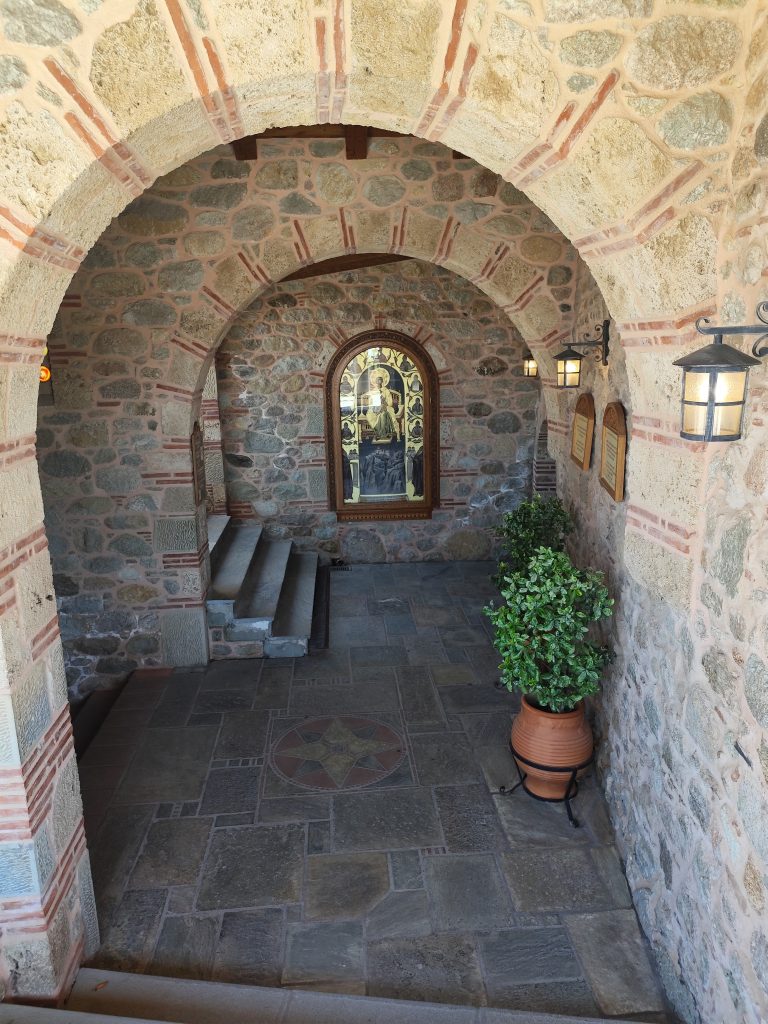
With six monasteries to chose from, we decided to make our way to the two that were closest together, the Monastery of Great Meteoron and the Variaam Monastery. They were already busy with visitors, and I can’t imagine what it must be like in the summer, but the views were incredible and (almost) worth climbing the hundreds of stairs up to them!
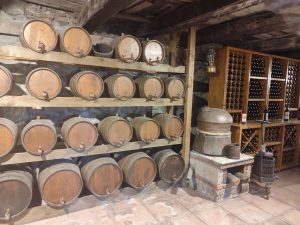
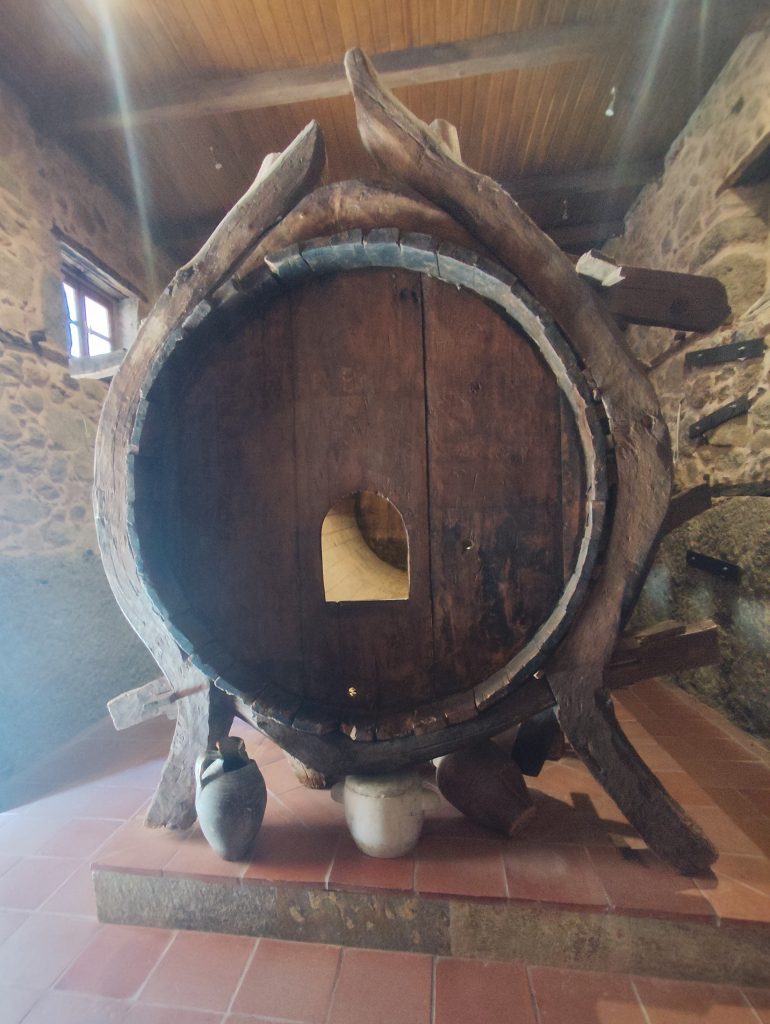
If I’m honest, the small “museums” created from the vast complex of rooms were quite interesting and full of ancient relics and books, but I think that the monasteries were most impressive viewed from a distance, perched atop of the massive rocks.
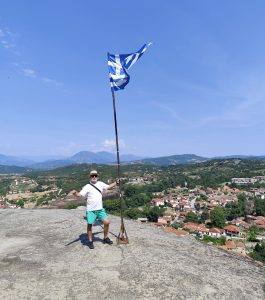
Watching a vast thunderstorm coming over the mountains that evening was awesome, but thankfully we awoke the next morning to blue skies. I had found a short hike from our village to the neighbouring town of Kalabaka which was classed as “moderate” on our walking app. We set up through a path winding through the houses on the hillside and found ourselves on a plateau overlooking the valley with great views. It then wound itself around the stone formations and phone in hand, I took the lead along the path only to be startled by the sight of a huge wild boar up ahead. With very little room along the narrow ridge for manoeuvre we rapidly retreated back to the plateau where we armed ourselves with some large rocks in case it had decided to follow us.
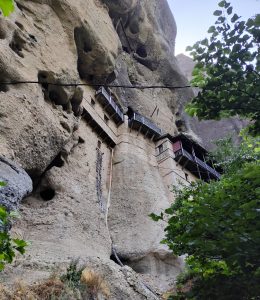
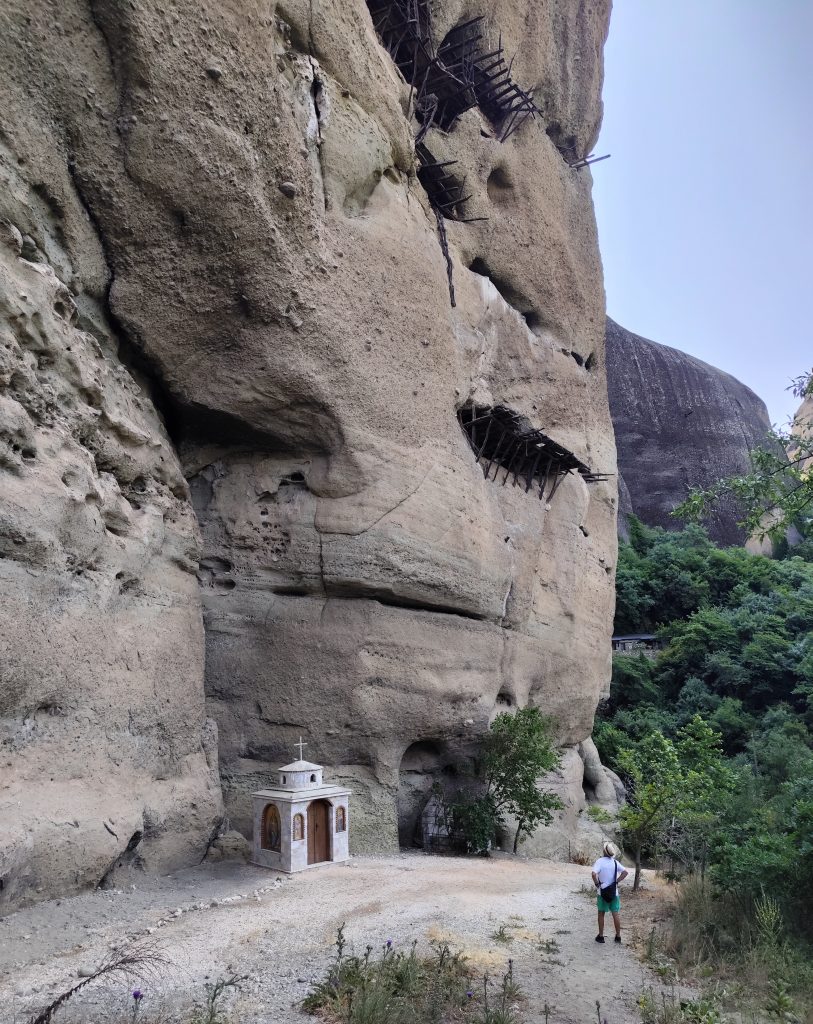
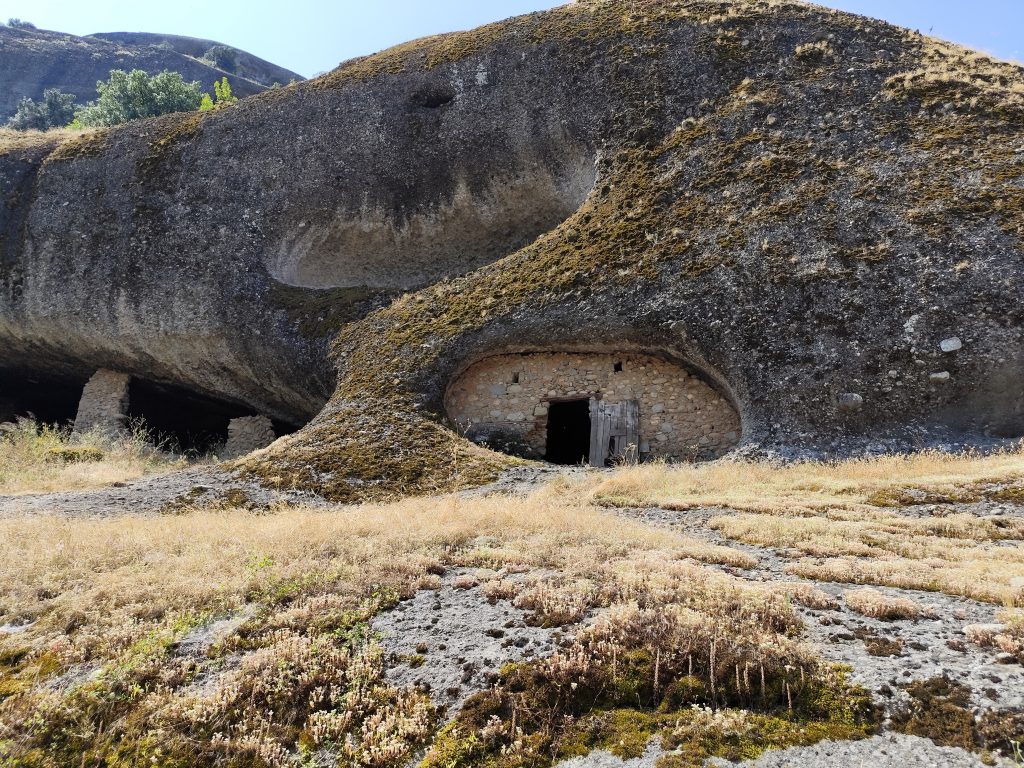
After a while, we cautiously continued along the path and made our way up to a spot where several large caves had formed and been previously habituated by hermits, and later monks. They must have been intent on solitude and security as these makeshift homes must have been awfully difficult to reach! A few yards further on we reached another monastery built into the cliff face, where there were still wooden ladders placed to reach the balconies and dwellings.
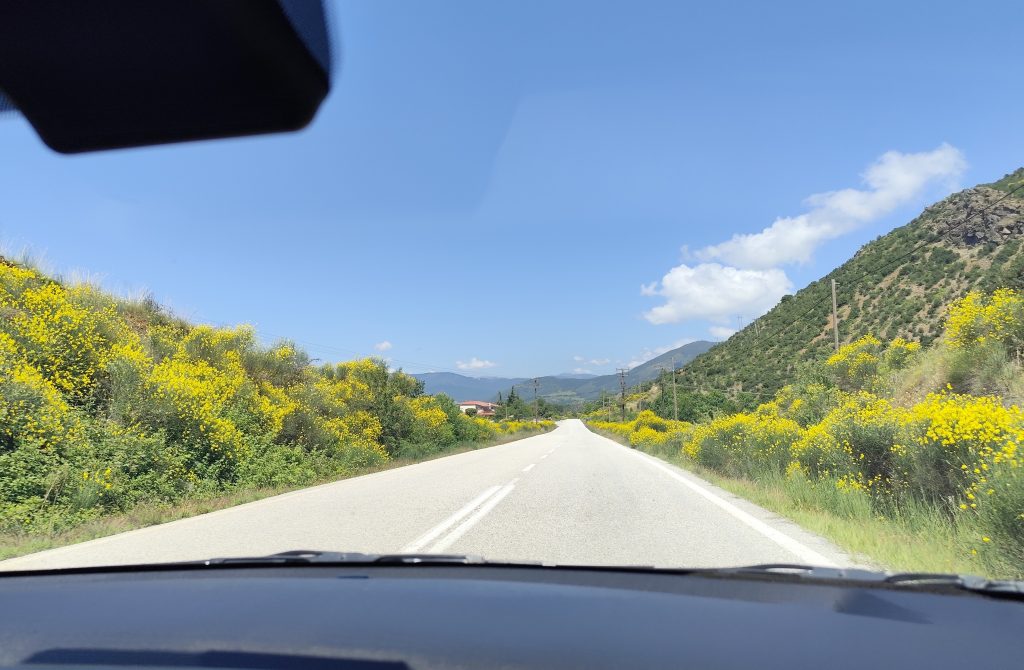
We finally made it for a well-earnt coffee in Kalabaka, and decided to take the straight forward (and boar-free) road back home.
Next stop: The glory of Zagori



Wow!!!!
We would have no idea that such incredible places exist if it wasn’t for your ambitious exploring and subsequently portraying it to us in such a unique and explicit way. We do appreciate it. Glad you escaped from the wild boar!
Thanks for all your encouraging comments! We’re certainly creating some amazing memories but I’m glad my words are hopefully inspiring others to travel and explore the world x